Coral gardens, turtles and huge schools of reef fish. Here's what to expect in the water and how to make your first snorkel a good one.
Snorkelling is the reason most people visit the Daymaniyat Islands. The reefs are shallow, the water is warm most of the year, and the nature reserve has kept the marine life abundant. Here's what you can expect to see, and how to prepare if you've never snorkelled before.
What you'll see underwater
The reefs around the islands are home to hundreds of species. On a typical trip you're likely to see:
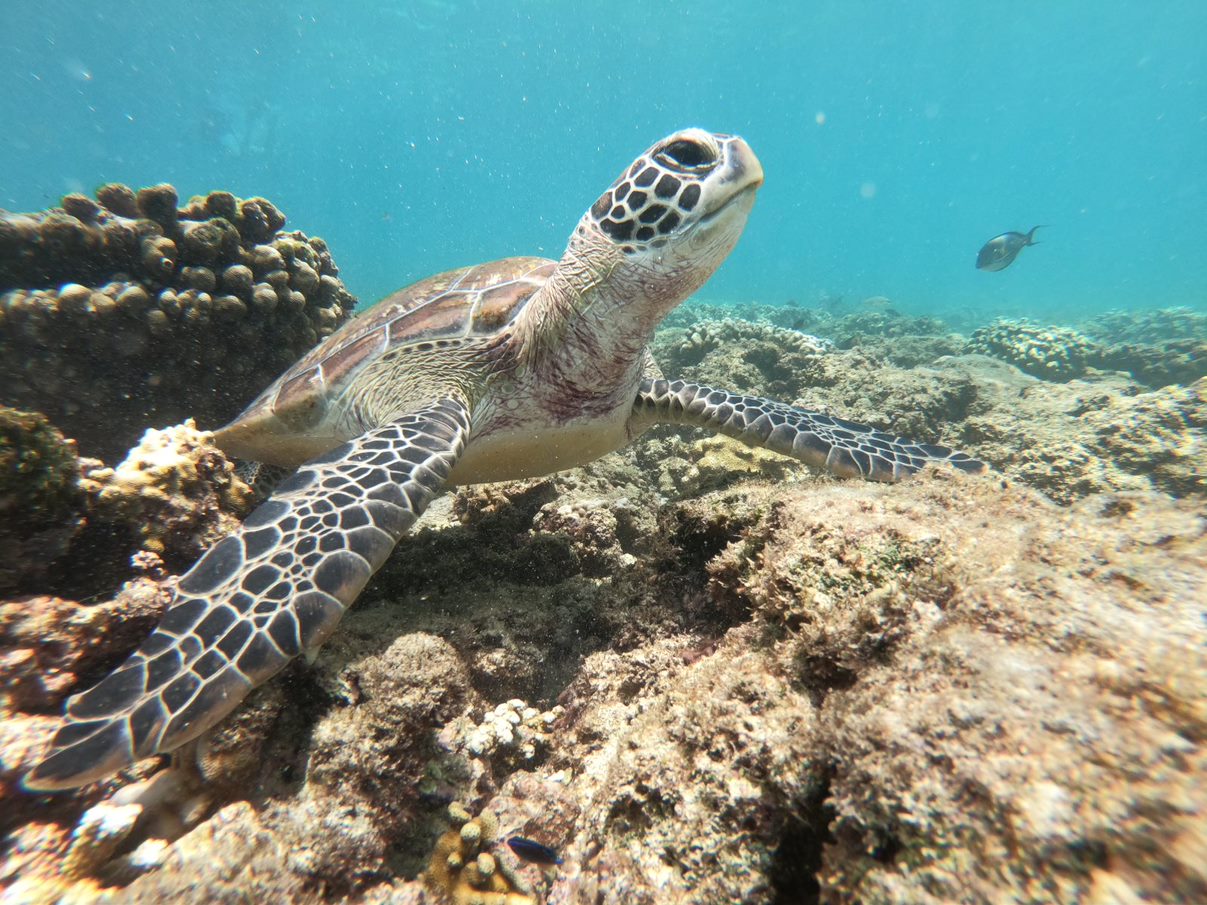
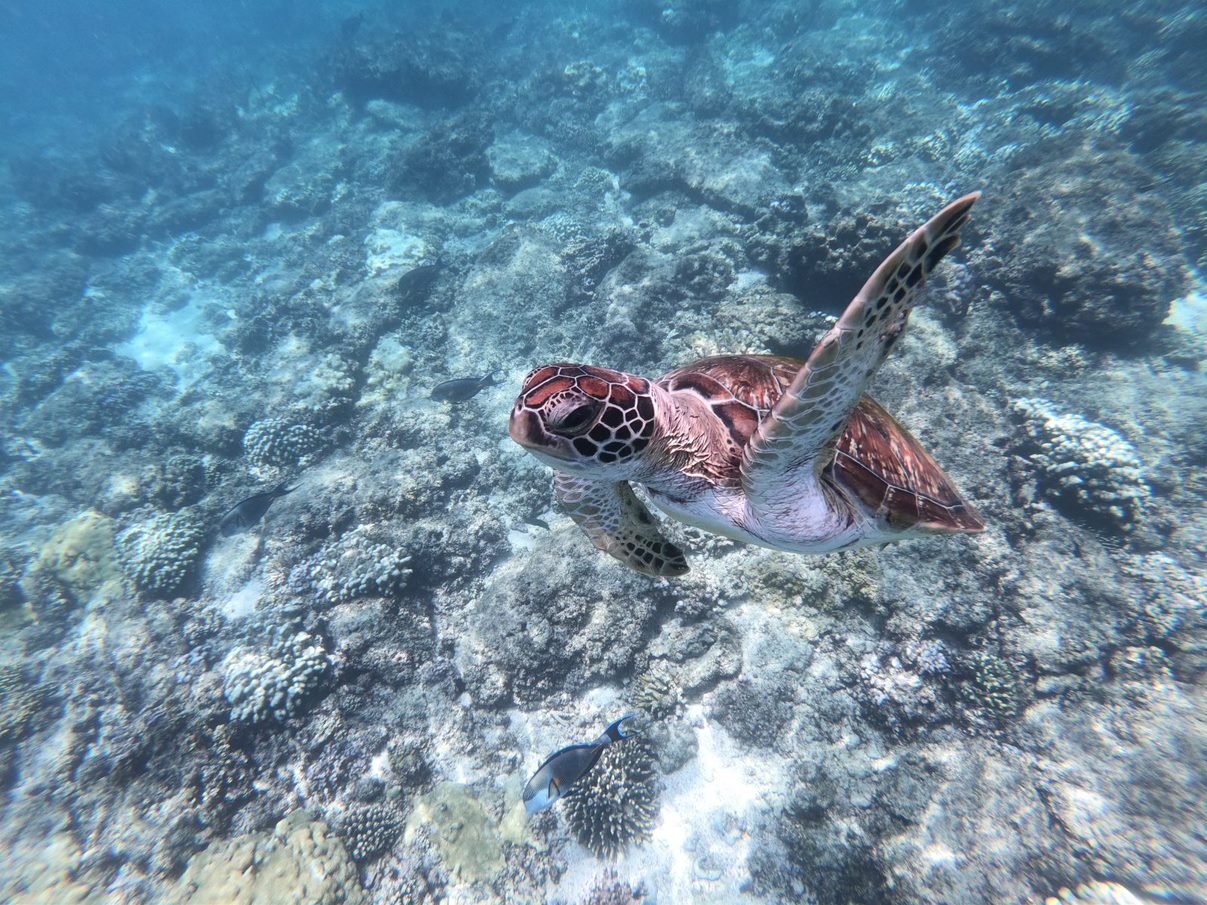
- Sea turtles — green and hawksbill turtles graze on the reef and surface regularly to breathe. They're the highlight for most guests.
- Hard and soft corals — table corals, brain corals and branching corals, many just a metre or two below the surface.
- Schools of reef fish — parrotfish, surgeonfish, butterflyfish, snappers and fusiliers, often in large shoals.
- Moray eels tucked into the rocks, and sometimes rays resting on the sand.
- Blacktip reef sharks — small, shy and harmless to people; seeing one is a lucky moment.
Occasionally, whale sharks pass through Omani waters. Sightings can't be predicted or promised, but they are one of the reasons the area is so special.
How a snorkelling stop works
Your captain picks the snorkelling spots on the day, based on currents, wind and visibility. At each stop:
- The crew explains the spot, where to swim and where the boat will be.
- You get in from the boat's ladder at your own pace.
- You snorkel with your group, and the crew keeps watch from the boat and the water.
- You climb back on board when you're ready — there's no pressure to stay in.
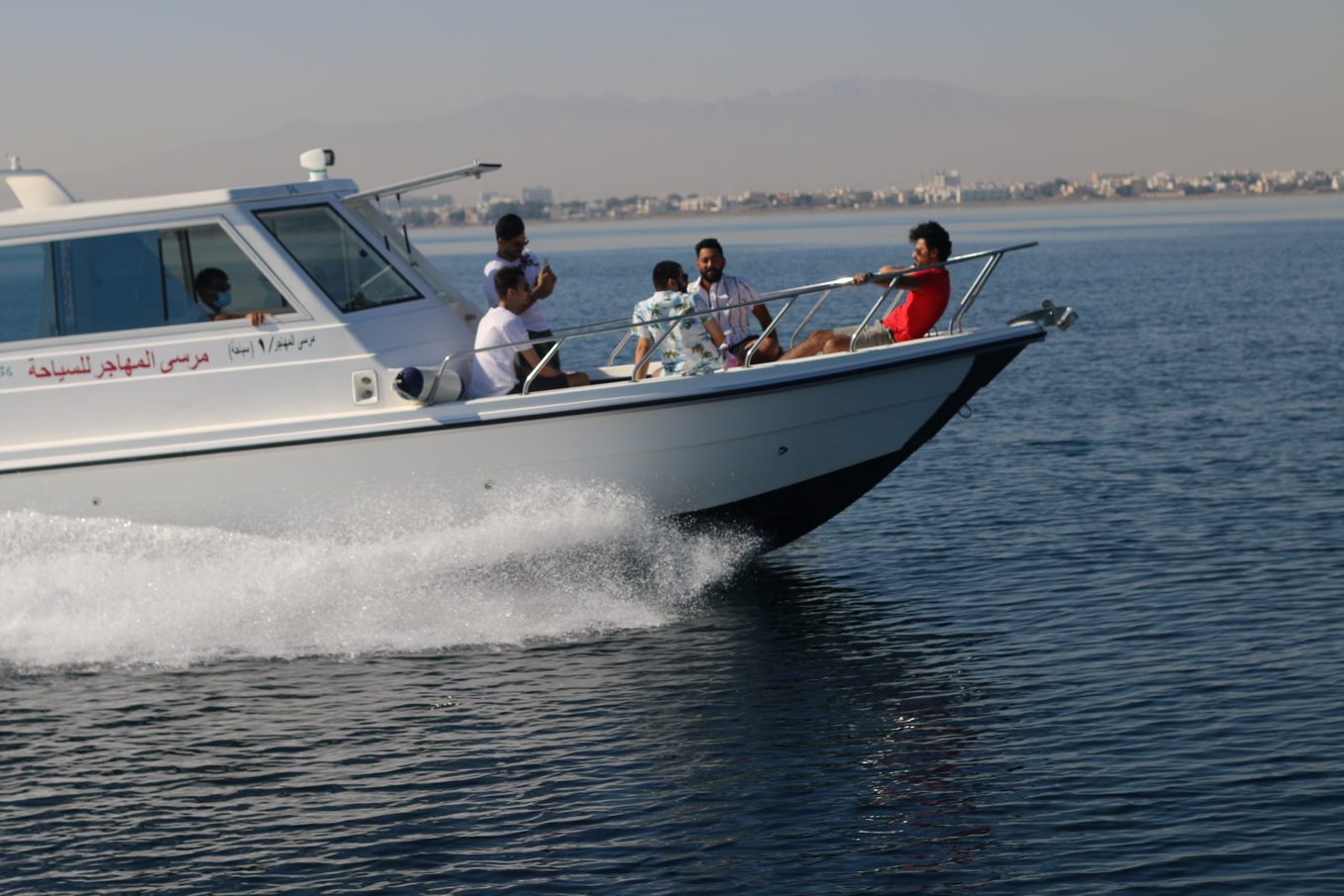
Our full day trip includes two snorkelling spots with plenty of time at each; the half day trip is a shorter version that suits families and first-timers.
Tips for first-time snorkellers
Practise breathing first. Stand in shallow water or hold the ladder, put your face in and breathe slowly through the snorkel until it feels natural.
Get a good mask fit. Push the mask against your face without the strap and breathe in gently through your nose — if it stays in place, it fits. Move hair out from under the seal.
Stop fogging. The crew can help with anti-fog; a drop of baby shampoo rinsed out also works.
Float, don't kick hard. Slow, relaxed kicks from the hips use less energy and don't disturb the reef or the wildlife.
Wear a life jacket if unsure. There's no shame in it — it lets you relax and enjoy the view.
Never stand on coral. It's a living animal and damages easily. If you need a rest, float on your back or head back to the boat.
What to bring
Snorkelling gear is included. Bring swimwear, a towel, reef-safe sunscreen, a hat and sunglasses — our packing checklist has the full list. A rash vest or light long-sleeved top is the best protection from the sun while you're face-down in the water.
When is visibility best?
Visibility changes with the season, wind and plankton. Mornings are usually calmer, which is one reason our trips leave early. Read more in the best time to visit the Daymaniyat Islands.
Ready to go?
Compare our full day and half day snorkelling trips — both include snorkelling gear, drinks and snacks, a professional crew and safety equipment.